

African Grey Parrot
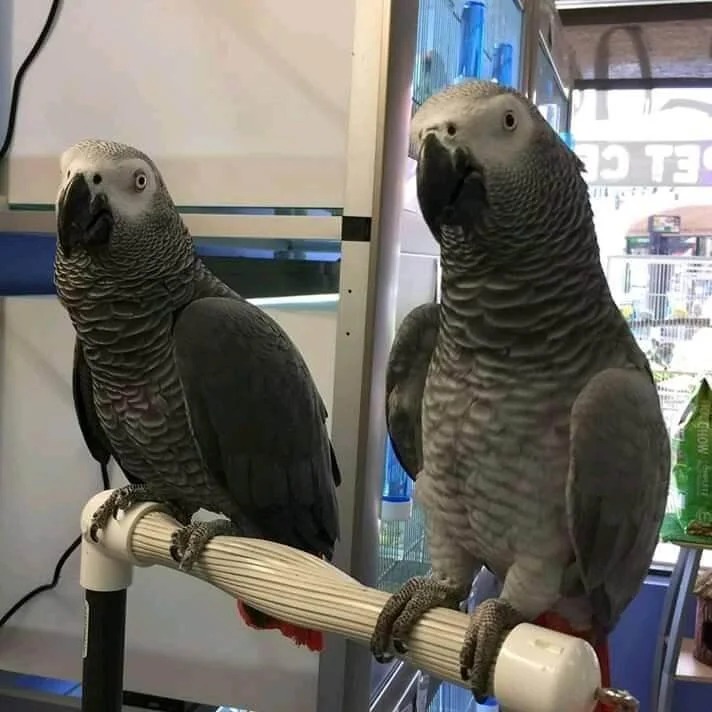
African grey parrots live in large complex flocks and have complex social interactions in the wild. They also have the ability to imitate human speech. These traits make them popular pets. They can also live a long time in captivity.
Their popularity can cause concern for the well-being and health of the birds. The tail feathers of their mates are frequently removed from birds captured in West Africa and sold for religious reasons.
Intelligent people are those who understand how to make use of technology.
The African grey parrot is considered to be one of the most intelligent birds in the entire world. They have been observed to mimic human speech and can master many words with minimal training. They can also recognize objects that are common, and sometimes, their owners. A fugitive African gray in Japan was successfully reclaimed when it was able to give the vet staff his name and address. This impressive level of intelligence is thanks to a highly evolved brain which is brimming with nerve cells in the areas that aid in problem-solving and learning.
Parrots are able to solve complicated problems and can understand the relationship between cause and impact. Their social structure is a different factor that influences their intelligence. They are also able to recognize human body language and can communicate with visual signals. They also have a clear understanding of the environment and can spot things that are hidden. These abilities are examples the convergent evolution process, in which organisms come up with similar solutions to the same problem.
Scientists have discovered that the brain structures of primates as well as the avians are very similar. It is because they evolved to solve similar problems to remain alive. Parallel evolutionary paths have also led to convergence of intelligence within both species.
Scientists have studied the brains of grey parrots. They have found that they can perform tasks at a level comparable to the level of a child five years old. They can identify, refuse or request and categorize around 80 different objects. They are also able to answer questions on shapes and colors, showing an impressive level of cognitive capabilities.
They are extremely social and need to be handled frequently. They need to play each day in safe parrot areas, and they should also exercise. To keep their minds engaged, they need a variety toys and chewing materials. They can also develop behavioral issues such as screaming or feather picking.
African greys require a lot of maintenance and only experienced bird owners should be keeping them. They have strong bonds with owners and are emotionally dependent. This makes them unsuitable to people who spend a lot of time away from their homes. They also tend to form bonds with only one family member, rejecting strangers and often becoming fearful of them.
They are very affectionate
Inquisitive, affectionate, and engaging, African grey parrots make great companions. Their ability to mimic the human voice and respond to commands from a voice helps to create a strong connection between them and their owners. They also have an inherent curiosity and enjoy exploring their surroundings. This need for mental stimulation may lead to depression and boredom in a parrot who is solitary.
Other birds also display an altruistic attitude, for example, grooming or redistributing their food to feed other birds. This helps them connect with their flock in the same way they would in the wild. They are monogamous, which means that they stay with their friends and even show bi-parental care during breeding.
Despite their playful, affectionate nature, they can also be aggressive and territorial. It is important to ensure they get adequate exercise and a healthy diet. They are also very smart and require lots of attention. If you are looking to build a strong bond with your African gray, you should play with them regularly.
As such, it is crucial to think about the amount of time you'll spend with your parrot before buying one. These birds need long periods of playtime and daily interaction If you work for a long time or travel frequently, you should consider an African Grey is not the right pet for you.
It is crucial to enrich the environment of your pet and provide him with toys that are interesting. These activities will help to lessen behavioral problems, such as feather picking and fear. In addition, it is recommended not to cut your pet's wings until they've learned how to fly. A hard fall can cause serious injuries.
Moreover, since African Greys are heavy-bodied birds when they land on their feet, they press the chest and force air out of lungs. This can lead to a variety of health issues. It is therefore essential to choose a cage that is shorter and more spacious in order that if they fall, the damage is less severe.
They are friendly
African grey parrots are highly social and enjoy being with their human companions. They are highly intelligent and can learn to mimic human speech. They are also extremely playful and love to play. They require frequent contact with humans and long periods of time out of their cages in order to be healthy and happy. If they are bored or unappreciated they can get angry and shout their discontent.
In the wild, African greys live in groups of thousands of individuals. They have complex social interactions, and they work together to forage in search of food, roost the night and look after their young. However, when they are kept as pets, their need for social interaction isn't satisfied and they may get stressed and exhibit self-harming behaviors like taking out their own feathers.
The African grey is a large multi-colored parrot native to Central Africa. It prefers dense forests but is also found in savannas. These birds are monogamous, and they will mate for the rest of their lives. They typically begin looking for a mate at three to five years old and breed in tree cavities. They lay a clutch and incubate eggs together. Wild African greys live a life span of 20-30 years.
These birds are extremely vocal in the wild, despite their diminutive size. The birds are the most active in the early morning, and late in the night. They make use of a variety of calls, such as whistles, shrieks and high-pitched screech. These sounds are used to communicate with the group.
They can flee from predators, but will chase or lunge at their prey when they feel threatened. This is dangerous and should not be allowed to occur. It is essential to know why your parrot does this to be able to correct this behavior.
Make sure you are able to live with the loud, repetitive chatter of an African grey. You should also be aware of whether your neighbors and other members of your family are able to take the bird's noise. It's also recommended to consider the possibility of your situation changing in the future, because it can be very difficult for parrots to be rehomed after they've been bonded to their human.
They are easy to train
African grey parrots are among of the most intelligent domestic animals and are relatively easy to train. They are extremely adaptable and are able to be taught a variety of tricks and behaviors. It is essential to decrease their stress. If female african grey parrot , it is likely to be due to a high amount of stress. You can help your pet to overcome this problem by using positive reinforcement training methods and restricting the time they are handled by other animals.
African Grey Parrots form monogamous pairs. They nest in tree cavities and will mate for the rest of their lives. They also display altruistic behaviours like grooming one another and re-eating food to feed their mates.
They are also skilled mimics and are able to imitate sounds and words. This shows a natural desire for them to fit in. Some owners have managed to teach their African gray parrots to talk. Be aware that teaching your African grey parrot to talk is a complicated process. It is recommended to start slow and teach your bird phrases or words that relate to his day-to-day routine. If you say "Good Night" to your pet each night before turning off the lights, it will become a part of his daily routine.
Once your pet has mastered this, you can begin to introduce more words. Try to teach him phrases that have meaning to him and make his daily routine more enjoyable. For instance, you could ask him to stand on your hand to receive a sweet treat. He'll be more likely if you repeatedly ask him to do this throughout the day.
In their natural environment African Greys spend much of their time flying around and looking for food. This is why it's important to provide them with a large aviary at least 3 meters (9.8 feet) in length, to give them plenty of space to exercise and exploration. They require a variety of toys to keep them occupied and prevent boredom that could lead to feather picking and other undesirable behaviours.